
🚀 Build & Monetize Local SEO Sites on Autopilot
Rank and Rent Pro makes it easy to launch, rank, and rent local lead gen websites—no tech headaches, no guesswork. Try it risk-free with our 7-day free trial and a 14-day money-back guarantee. Start turning traffic into cash today.
Are you aware that Google Sues rank and rent companies? Google has recently filed a lawsuit against two companies involved in the rank and rent scheme. This legal action addresses serious violations of Google’s terms of service, which could harm both businesses and consumers. The lawsuit highlights these companies’ deceptive practices, including creating fake business profiles and posting fraudulent reviews. Understanding this situation is crucial for anyone interested in digital marketing and online business practices.
Key Takeaways
- Google is suing GMBEye and Rafadigital for violating its terms of service.
- The lawsuit focuses on fraudulent business profiles and fake reviews.
- Rank and rent is where people create business profiles to sell leads.
- The defendants are accused of misleading consumers and businesses.
- The rank and rent strategy has gained popularity since 2019.
- Public Facebook groups are used to discuss and promote rank and rent schemes.
- Google aims to protect its platform and users from deceptive practices.
- This lawsuit may lead to changes in SEO and digital marketing strategies.
Understanding the Google Lawsuit Against Rank and Rent Companies
Overview of the Legal Action
Google has initiated a lawsuit against certain rank and rent companies, aiming to protect its platform and users and prevent further harm to Google and legitimate businesses.
Key Players Involved
The main defendants in this case are GMBEye and Rafadigital, two companies linked together in the allegations. They are accused of engaging in deceptive practices that violate Google’s terms of service.
Timeline of Events Leading to the Lawsuit
- 2019: The rank and rent model gains popularity.
- 2023: Google files a lawsuit against the defendants after gathering evidence of fraudulent activities.
- Ongoing: The legal proceedings continue as both sides prepare their cases.
Google’s Allegations and Claims
Google claims that the defendants have:
- Created fake Google Business Profiles.
- Posted misleading reviews.
- Sold leads from these fraudulent profiles to unsuspecting businesses.
Impact on the SEO Industry
This lawsuit could reshape the SEO landscape by enforcing stricter compliance with Google’s guidelines. It highlights the risks associated with unethical practices in digital marketing.
Legal Precedents and Similar Cases
This case may set important legal precedents for future actions against deceptive online marketing practices. Similar cases have previously resulted in significant penalties for companies engaging in fraud.
The outcome of this lawsuit could change how digital marketers operate, emphasizing the need for ethical practices in the industry.
What is Rank and Rent?
Definition and Explanation
Rank and rent is a business strategy where individuals create a website and a business profile to generate leads. They then rent this setup to a business for a fixed fee or sell it outright. This model has gained popularity since 2019.
History and Evolution
The concept of rank and rent has evolved over the years, becoming more structured and widespread. Initially, it was a niche practice, but it has attracted many marketers looking to profit from local SEO.
Common Practices and Strategies
- Creating websites focused on specific niches.
- Optimizing business profiles to rank higher in search results.
- Selling leads generated from these profiles to local businesses.
Benefits and Risks
- Benefits:
- Potential for high returns.
- Low initial investment.
- Flexibility in business operations.
- Risks:
- Legal issues if not compliant with regulations.
- Dependence on search engine algorithms.
- Ethical concerns regarding transparency.
Legal and Ethical Considerations
Practitioners must navigate various legal and ethical challenges, including compliance with Google’s terms of service. Violating these can lead to severe consequences, including lawsuits.
Examples of Rank and Rent Businesses
Many businesses operate under this model, often in local service industries like plumbing, landscaping, and cleaning services. These businesses typically rely on the leads generated from their rank and rent websites to drive sales.
In summary, rank and rent is a complex strategy that requires careful planning and ethical considerations to succeed.
The Defendants: GMBEye and Rafadigital

Background of the Companies
GMBEye and Rafadigital are two companies at the center of a lawsuit filed by Google. They are accused of engaging in fraudulent activities and violating federal and state laws. These companies are linked to the controversial practice known as rank and rent, where fake business profiles are created to generate leads.
Allegations Against GMBEye and Rafadigital
The lawsuit outlines several severe allegations against these companies:
- Fraudulent verification of non-existent business profiles.
- Posting fake reviews to mislead consumers.
- Selling real business leads from unsuspecting customers.
Key Individuals Involved
While the companies are the main defendants, specific individuals associated with GMBEye and Rafadigital are also under scrutiny. Their role in promoting these fraudulent practices is critical to the case.
Business Practices Under Scrutiny
The business practices of GMBEye and Rafadigital include the following:
- Creating fake business profiles with misleading information.
- Claiming to have unique access to Google’s verification processes.
- According to Google’s algorithms, promoting services that guarantee top rankings in search results is impossible.
Response from the Defendants
Both companies have denied the allegations, claiming their services are legitimate and follow all necessary guidelines. They argue that the lawsuit attempts to stifle competition in the digital marketing space.
Potential Consequences for the Companies
If found guilty, GMBEye and Rafadigital could face severe penalties, including:
- Financial fines for violating laws.
- Damage to their reputation, making it hard for them to operate in the future.
- Possible shutdown of their business operations.
The outcome of this lawsuit could set a significant precedent for how rank and rent practices are regulated in the digital marketing industry.
Fraudulent Verification of Business Profiles
How the Verification Process Works
The verification process for Google Business Profiles is designed to ensure that businesses are legitimate. Typically, companies must provide accurate information and may need to verify their identity through various means, such as phone calls or video uploads. However, some companies have found ways to exploit this system.
Methods Used to Create Fake Profiles
Fraudulent actors often use several methods to create fake business profiles:
- Using fake names and addresses: They create profiles for businesses that do not exist.
- VoIP phone numbers: These numbers can be easily changed and are often used to mask a business’s true identity.
- Misleading verification videos: Some even upload videos that appear to show a legitimate business but are staged.
Examples of Fraudulent Profiles
Here are a few examples of how these fraudulent profiles can look:
| Business Name | Location | Phone Number |
|---|---|---|
| Wilmington Chiro Health | Wilmington, DE | 555-123-4567 |
| Fake Pizza Place | Springfield, IL | 555-987-6543 |
| Nonexistent Auto Shop | Anytown, USA | 555-555-5555 |
Impact on Legitimate Businesses
The rise of fake profiles can have severe consequences for real businesses:
- Loss of customers: Potential customers may be misled by fake reviews and profiles.
- Reputation damage: Legitimate companies can suffer if associated with fraudulent activities.
- Financial loss: Businesses may lose revenue due to decreased visibility in search results.
Google’s Response to Verification Fraud
Google has been actively working to combat verification fraud by:
- Enhancing verification processes: They constantly update their methods to catch fraudulent profiles.
- Monitoring suspicious activity: Google monitors patterns that suggest fraudulent behavior.
- Educating businesses: They provide resources to help companies to understand how to protect themselves.
Preventative Measures and Solutions
To avoid falling victim to fraudulent profiles, businesses should:
- Regularly check their business listings.
- Please report any suspicious profiles they encounter.
- Use Google’s resources to understand verification better.
The fight against fraudulent verification is ongoing, and businesses must stay vigilant to protect their interests. Many have found themselves in situations where their profiles were suspended for deceptive content.
Fake Reviews and Their Impact
Overview of Fake Review Practices
Fake reviews are misleading comments posted online to make a business look better than it is. Anyone can write them, including the company itself or hired individuals. These reviews can seriously harm consumer trust.
How Fake Reviews Are Generated
- Outsourcing: Many fake reviews are created by companies that specialize in writing them.
- Bots: Automated programs can generate fake reviews quickly.
- Incentives: Some businesses offer discounts or freebies in exchange for positive reviews.
Impact on Consumer Trust
Fake reviews can lead to:
- Misleading Information: Consumers may choose a business based on false information.
- Loss of Credibility: Legitimate businesses suffer when fake reviews flood the market.
- Legal Issues: Companies can face lawsuits for posting fake reviews.
Legal Implications of Fake Reviews
The legal consequences for posting fake reviews can include:
- Fines and penalties
- Lawsuits from consumers or competitors
- Damage to reputation
Google’s Measures Against Fake Reviews
Google actively works to remove fake reviews by:
- Monitoring suspicious activity
- Implementing stricter verification processes
- Educating consumers about identifying fake reviews
Case Studies of Fake Review Scandals
Several businesses have faced backlash due to fake reviews:
- GMBEye: Accused of posting thousands of fake reviews to boost their clients’ profiles.
- Rafadigital: Allegedly sold fake reviews to enhance business credibility.
The impact of fake reviews is profound, affecting not just businesses but also consumer choices and trust in online platforms.
In summary, fake reviews are a significant issue in the digital marketing, leading to legal challenges and a decline in consumer trust. Businesses must be vigilant to avoid the pitfalls associated with these deceptive practices.
Lead Generation Through Deceptive Practices
Understanding Lead Generation
Lead generation is the process of attracting potential customers to a business. It often involves collecting contact information to create sales leads. Many companies use deceptive practices to generate leads, which can mislead consumers and harm legitimate businesses.
Deceptive Lead Generation Tactics
Some common tactics include:
- Creating fake business profiles to attract leads.
- Using VoIP numbers that match fake business locations.
- Promising unrealistic results, like guaranteed sales leads.
Impact on Consumers and Businesses
The impact of these deceptive practices can be severe:
- Consumers may receive unwanted calls from fake businesses.
- Legitimate businesses suffer from unfair competition.
- Trust in online marketing diminishes.
Legal Ramifications
Engaging in deceptive lead generation can lead to serious legal consequences, including:
- Fines and penalties from regulatory bodies.
- Lawsuits from affected businesses.
- Damage to reputation and loss of customer trust.
Google’s Stance on Deceptive Lead Generation
Google actively combats deceptive practices in lead generation. They have implemented measures to:
- Monitor and remove fake business profiles.
- Educate consumers about recognizing scams.
- Enforce strict guidelines for businesses to follow.
The new FCC rule on lead generation sets stringent guidelines for businesses on how they can collect, use, and share consumer information obtained through lead generation activities.
Examples of Lead Generation Fraud
Some notable examples include:
- Fake reviews are used to boost credibility.
- Selling leads from non-existent businesses.
- Misleading advertisements promise high conversion rates.
By understanding these deceptive practices, consumers and businesses can better protect themselves from fraud.
The Role of Facebook Groups in Rank and Rent Schemes
Overview of Rank and Rent Facebook Groups
Facebook groups dedicated to rank and rent strategies have become popular among marketers. These groups serve as platforms for sharing tips and strategies and even selling business profiles. Members often openly discuss their successes and failures, which can lead to learning and legal issues.
How These Groups Operate
- Information Sharing: Members exchange ideas on optimizing Google Business Profiles.
- Selling Listings: Some members advertise their available business profiles for rent or sale.
- Community Support: These groups provide a sense of community, where members can ask questions and get feedback.
Examples of Group Activities
- Posting Success Stories: Members share their achievements in ranking and renting.
- Advertising Services: Some members promote their services to create or verify business profiles.
- Discussing Legal Risks: Occasionally, members discuss the potential legal consequences of their actions.
In these groups, the line between legitimate marketing and deceptive practices can often blur, leading to serious repercussions for participants.
Google’s Terms of Service and Their Enforcement
Overview of Google’s Terms of Service
Google’s Terms of Service are rules everyone must follow when using their services. Ignoring these rules can lead to severe consequences. They are not just guidelines; they are legally binding agreements.
Specific Violations in the Lawsuit
In the recent lawsuit, Google claims that the defendants broke these terms by misusing Google Maps and Business Profiles. This shows that Google takes its terms seriously and is willing to enforce them in court.
Importance of Adhering to Terms of Service
Adhering to Google’s terms is crucial for all users. Here are some reasons why:
- Legal Protection: Following the rules helps protect you from legal issues.
- Trust: It builds trust between users and Google.
- Fair Play: It ensures a level playing field for all businesses.
Legal Authority of Google’s Terms
Google has the right to enforce its terms in a court of law. If someone violates these terms, Google can take legal action against them. This is a reminder that disregarding these terms can lead to serious legal trouble.
Consequences of Violating Terms of Service
Violating Google’s terms can lead to:
- Account Suspension: Your account may be suspended or banned.
- Legal Action: Google can sue for damages.
- Reputation Damage: Your business reputation can suffer significantly.
Case Studies of Enforcement
Several cases have involved Google enforcing its terms. For example, in the recent lawsuit, Google is seeking triple damages for the violations. This shows that Google is serious about protecting its services and users.
“Google’s enforcement of its terms is a clear message that they will not tolerate abuse of their platform.”
In summary, understanding and following Google’s Terms of Service is essential for anyone using their services. Ignoring these rules can lead to severe consequences, both legally and for your business reputation.
🚀 Build & Monetize Local SEO Sites on Autopilot
Rank and Rent Pro makes it easy to launch, rank, and rent local lead gen websites—no tech headaches, no guesswork. Try it risk-free with our 7-day free trial and a 14-day money-back guarantee. Start turning traffic into cash today.
The Legal Process and Court Proceedings
Filing of the Lawsuit
Google has officially filed a lawsuit against the defendants for breaching their terms of service. This legal action highlights the seriousness of violating Google’s rules, especially concerning Google Maps and Google Business Profiles. The lawsuit serves as a reminder that Google can enforce its terms in court.
Key Legal Arguments
In the lawsuit, Google argues that the defendants engaged in deceptive practices, including creating fake business profiles and selling fake reviews. These actions not only violate Google’s terms but also harm legitimate businesses. The Rank And Rent Plugin is central to these allegations, as it facilitated the defendants’ fraudulent activities.
Court Proceedings and Hearings
The court proceedings will involve presenting evidence, including screenshots and documents that show the defendants’ actions. Google aims to prove that the defendants knowingly misled consumers and violated their agreements.
Evidence Presented by Google
Google has gathered various forms of evidence to support its claims, including:
- Screenshots of fake business profiles
- Documents showing the sale of fake reviews
- Testimonies from affected businesses
Defense Strategies
The defendants may argue that they did not intend to deceive or that their actions were misunderstood. However, the evidence against them appears strong, making their defense challenging.
Potential Outcomes and Implications
If Google wins the case, the defendants could face significant penalties, including financial damages and restrictions on their business practices. This case could set a precedent for how similar cases are handled, emphasizing the importance of adhering to Google’s terms of service.
Impact on the SEO and Digital Marketing Industry
Changes in SEO Practices
The recent lawsuit has caused many SEO community to rethink their strategies. SEO practices are evolving to ensure compliance with Google’s guidelines. Here are some notable changes:
- Increased focus on ethical SEO techniques.
- Greater emphasis on transparency in marketing practices.
- Adoption of more robust verification processes for business profiles.
Impact on Digital Marketing Strategies
Digital marketers are adjusting their strategies to align with the new legal landscape. This includes:
- Prioritizing genuine customer engagement over deceptive practices.
- Implementing stricter quality control measures for online content.
- Enhancing monitoring of online reviews and business profiles.
Reactions from the SEO Community
The SEO community has shown mixed reactions to the lawsuit. Some key points include:
- Concerns about the criticism of Google regarding its handling of search results.
- Discussions on the need for more ethical practices in digital marketing.
- Calls for better communication between Google and marketers to avoid misunderstandings.
The lawsuit serves as a reminder that businesses must operate within the rules set by platforms like Google to avoid serious consequences.
Long-term Implications for the Industry
The long-term effects of this lawsuit may include:
- A shift towards more sustainable and ethical marketing practices.
- Increased scrutiny of digital marketing tactics by both consumers and regulators.
- Potential changes in how search engines enforce their terms of service impact all digital marketers.
Consumer Protection and Awareness
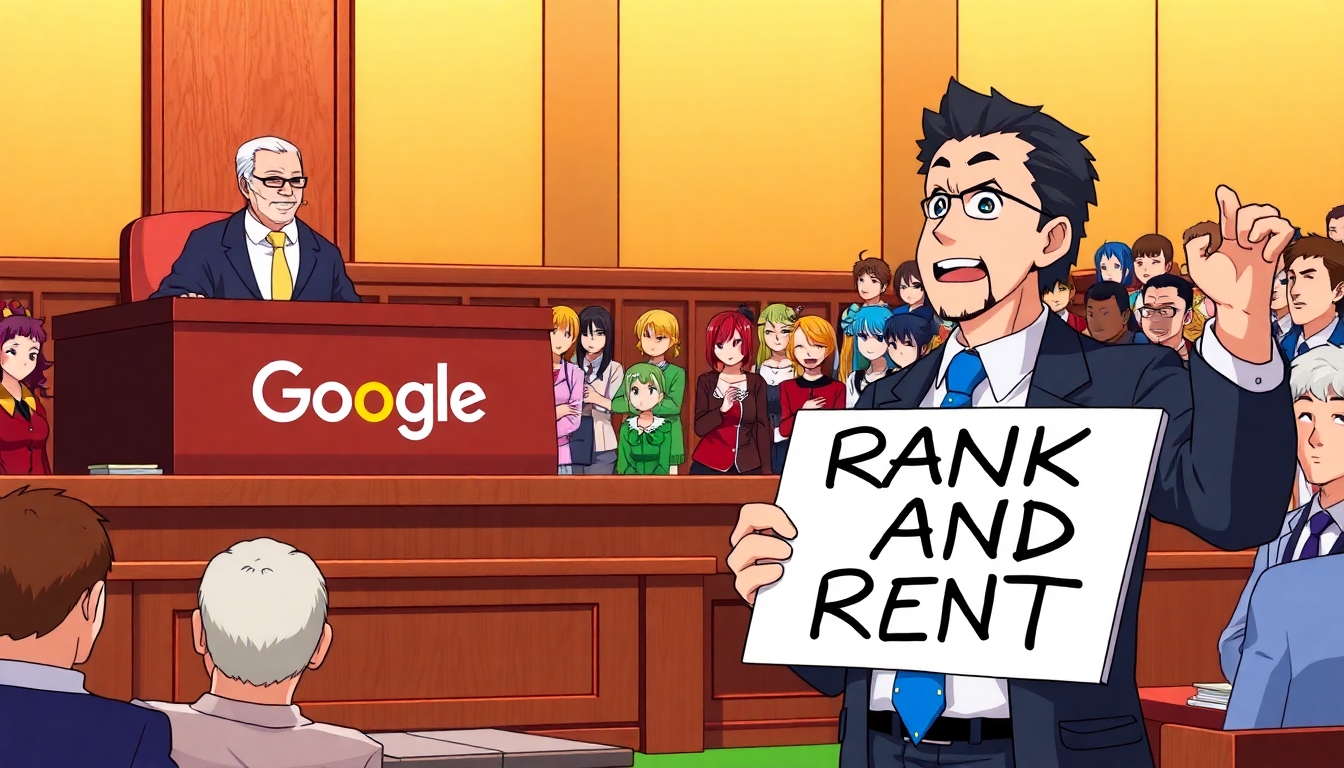
Importance of Consumer Protection
Consumer protection is crucial in today’s digital world. It ensures that consumers are treated fairly and are not misled. With the rise of online scams, awareness is more critical than ever.
How Consumers Are Affected
Consumers can face various issues, including:
- Fraudulent activities that lead to financial loss.
- Misleading information that affects their choices.
- Difficulty in seeking redress for grievances.
Google’s Role in Protecting Consumers
Google plays a significant role in safeguarding users by:
- Monitoring business profiles for authenticity.
- Implementing strict guidelines against deceptive practices.
- Providing resources for consumers to report fraud.
In a world where scams are prevalent, staying informed is the best defense against fraud.
Tips for Consumers to Avoid Scams
To protect themselves, consumers should:
- Verify the legitimacy of businesses before engaging.
- Be cautious of deals that seem too good to be true.
- Regularly check their online presence for any unauthorized use of their information.
Legal Resources for Affected Consumers
If consumers fall victim to scams, they can seek help through:
- Local consumer protection agencies.
- Online resources that provide legal advice.
- Reporting to authorities like the Federal Trade Commission (FTC).
Case Studies of Consumer Impact
Recent studies show that increasingly, debt-strapped consumers are concerned about fraudulent activities. For instance, a survey revealed that 73% of consumers said they were “very” or “somewhat” likely to pay more attention to online reviews due to rising housing costs. This highlights the need for vigilance in the digital marketplace.
Ethical Considerations in Digital Marketing
Overview of Ethical Marketing Practices
Ethics play a crucial role in the world of digital marketing. Marketers must ensure that their practices are fair and transparent. This means being honest about what they do and how they use data.
Common Ethical Issues in Digital Marketing
Some common ethical issues include:
- Misleading advertisements
- Invasion of privacy
- Manipulation of consumer behavior
Impact of Unethical Practices
Unethical practices can lead to a loss of trust. When consumers feel deceived, they may avoid brands altogether. This can hurt a business’s reputation and sales.
Google’s Ethical Guidelines
Google has set guidelines to promote ethical marketing. These guidelines encourage businesses to:
- Be transparent about data collection.
- Respect user privacy.
- Avoid deceptive practices.
Industry Standards and Best Practices
Following industry standards is essential for maintaining ethical practices. Businesses should:
- Regularly review their marketing strategies.
- Train employees on ethical marketing.
- Stay updated on legal requirements.
Case Studies of Ethical Violations
Several cases have involved companies facing backlash for unethical marketing. These cases highlight the importance of adhering to ethical standards to avoid legal issues and maintain consumer trust.
Ethical marketing is not just about following the law; it’s about building a relationship of trust with your customers.
Highlight: the ethics of digital marketing: privacy and data protection
Preventative Measures for Businesses
Importance of Compliance
Ensuring compliance with laws and regulations is crucial for businesses. Following the rules helps avoid penalties and maintains a good reputation. Here are some critical steps:
- Regularly review and update internal policies.
- Train employees on compliance matters.
- Conduct audits to identify potential issues.
Steps to Ensure Compliance
To keep your business in line with legal standards, consider these actions:
- Establish clear guidelines for all employees.
- Monitor changes in laws that affect your industry.
- Create a reporting system for compliance issues.
Google’s Recommendations
Google suggests several practices to help businesses stay compliant:
- Use verified business profiles.
- Avoid misleading advertising.
- Regularly check for updates to Google’s terms of service.
Maintaining compliance is not just about avoiding penalties; it’s about building trust with your customers and partners.
Tools and Resources for Businesses
Utilizing the right tools can help ensure compliance:
- Compliance management software.
- Legal consultation services.
- Online training programs for employees.
Case Studies of Successful Compliance
Many businesses have thrived by prioritizing compliance. For example:
- A local restaurant improved its reputation by adhering to health regulations.
- An online retailer avoided legal issues by following advertising guidelines.
- A service provider enhances customer trust through transparent practices.
By implementing these preventative measures, businesses can protect themselves from legal troubles and foster a positive environment for growth.
The Future of Rank and Rent
Current Trends in Rank and Rent
The rank and rent model is evolving. Many marketers are now focusing on more ethical practices to avoid legal issues. This shift is crucial for long-term success. Here are some current trends:
- Increased transparency in business practices.
- Greater emphasis on quality over quantity in lead generation.
- Use of advanced technology to verify business profiles.
Predictions for the Future
Experts believe that stricter regulations and consumer awareness will shape the future of rank and rent. Some predictions include:
- More legal actions against deceptive practices.
- A decline in traditional rank and rent methods.
- Growth in legitimate lead generation strategies.
Impact of Legal Actions on the Practice
Legal actions, like the recent lawsuit by Google, will likely deter many from engaging in rank and rent schemes. The consequences could include:
- Increased scrutiny from regulatory bodies.
- A shift towards more sustainable business models.
- Potential financial penalties for non-compliance.
Innovations and Changes in Strategies
To adapt, businesses may need to innovate. Possible changes include:
- Developing better verification processes for business profiles.
- Focusing on building genuine relationships with clients.
- Leveraging social media for authentic marketing.
Google’s Role in Shaping the Future
Google’s ongoing efforts to combat fraud will significantly influence the rank and rent landscape. Their actions may lead to:
- Stricter enforcement of terms of service.
- Enhanced tools for businesses to verify their profiles.
- Increased consumer education on recognizing scams.
Expert Opinions
Industry experts suggest that while rank and rent may face challenges, there are still opportunities for those willing to adapt. Building rank and rent websites for fun & money can still be viable if approached ethically and transparently.
Google’s Verification System: Strengths and Weaknesses
Overview of the Verification System
Google’s verification system ensures that businesses listed on its platform are legitimate. This system helps maintain trust among users and businesses alike. It requires companies to provide accurate information and undergo a verification process to confirm their identity.
Common Weaknesses Exploited
Despite its strengths, the verification system has some weaknesses:
- Easily Bypassed: Some companies have found ways to circumvent the verification process.
- Fake Profiles: There are instances of counterfeit business profiles being created, which can mislead consumers.
- Limited Resources: Google may not have enough resources to monitor every profile effectively.
Google’s Efforts to Improve Verification
Google is continuously working to enhance its verification system. Some of the measures include:
- Regular Updates: Google frequently updates its verification processes to close loopholes.
- User Reporting: Encouraging users to report suspicious profiles helps maintain integrity.
- Advanced Technology: Utilizing AI and machine learning to detect fraudulent activities.
Impact of Verification Weaknesses
The weaknesses in the verification system can lead to significant issues:
- Consumer Mistrust: If users encounter fake profiles, they may lose trust in Google’s services.
- Unfair Competition: Legitimate businesses may suffer if fake profiles rank higher in search results.
- Legal Consequences: As seen in recent lawsuits, companies exploiting these weaknesses may face legal actions.
Case Studies of Verification Failures
Several cases highlight the failures of the verification system:
- GMBEye: This company allegedly promised to bypass verification, leading to legal action by Google.
- Rafadigital: Accused of creating fake profiles to generate leads, which misled consumers.
Future Improvements and Innovations
Google aims to strengthen its verification system by:
- Implementing stricter guidelines for businesses.
- Enhancing user education on recognizing fake profiles.
- Collaborating with law enforcement to tackle fraudulent activities.
The Role of Social Media in Digital Marketing Scams

Overview of Social Media’s Influence
Social media plays a significant role in digital marketing. It can be a powerful tool for businesses, but it also opens the door to scams. Many marketers misuse social media to deceive consumers.
Common Scams on Social Media
Here are some common scams that occur on social media:
- Fake accounts that impersonate legitimate businesses.
- Phishing schemes that trick users into giving personal information.
- Paid promotions for services that do not exist.
Impact on Businesses and Consumers
The impact of these scams can be severe:
- Loss of trust in legitimate businesses.
- Financial losses for consumers who fall victim.
- Damage to the reputation of the marketing industry as a whole.
Legal Issues with Social Media Scams
Legal issues arise when businesses engage in deceptive practices. Companies can face lawsuits and penalties for violating advertising laws. Google has taken steps to combat these scams.
Google’s Actions Against Social Media Scams
Google actively monitors social media for fraudulent activities. They work to remove fake accounts and promote awareness about scams. This is crucial for maintaining a safe online environment.
Case Studies of Social Media Scams
Several high-profile cases highlight the dangers of social media scams. For example, some marketing agencies have been caught purchasing fake likes and followers to boost their clients’ online presence artificially. This practice not only misleads consumers but also violates ethical marketing standards.
Legal and Financial Consequences for the Defendants
Overview of Legal Consequences
The defendants in this case face serious legal repercussions. They are accused of violating federal and state laws and breaching their contract with Google, which could lead to significant penalties.
Financial Penalties and Damages
Google is seeking damages that are three times the actual losses incurred. This includes:
- Attorney fees
- Prejudgment interest
- Compensation for damages
Impact on Business Operations
The legal actions against the defendants could severely impact their business operations. They may face:
- Loss of credibility in the market
- The potential closure of their businesses
- Difficulty in acquiring new clients due to reputational damage
The consequences of these legal actions could reshape the landscape for similar businesses in the industry.
Reputation Damage
The lawsuit has already tarnished the reputation of GMBEye and Rafadigital. Their involvement in fraudulent activities has led to the following:
- Loss of trust from clients
- Negative media coverage
- Increased scrutiny from regulatory bodies
Long-term Consequences
The long-term effects of this lawsuit may include:
- Stricter regulations in the digital marketing industry
- Increased awareness among consumers about fraudulent practices
- A shift in how businesses operate to avoid similar legal issues
| Consequence Type | Description |
|---|---|
| Legal Penalties | Potential fines and sanctions |
| Financial Damages | Compensation claims from Google |
| Business Impact | Loss of clients and operational capabilities |
Google’s Broader Efforts to Combat Fraud
Overview of Google’s Anti-Fraud Measures
Google has been actively working to fight against fraud in its services. Their commitment to maintaining a trustworthy platform is evident. Here are some key efforts:
- Regular Updates: Google frequently updates its algorithms to detect and remove fraudulent activities.
- User Reporting: They encourage users to report suspicious activities, which helps in identifying fraud.
- Collaboration: Google collaborates with law enforcement to tackle fraud on a larger scale.
Recent Legal Actions by Google
Google has taken significant legal steps to address fraudulent practices in recent years. Some notable actions include:
- Lawsuits: Google has filed lawsuits against companies involved in deceptive practices, seeking damages and penalties.
- Injunctions: They have sought court orders to prevent further fraudulent activities by certain companies.
- Public Awareness Campaigns: Google has launched campaigns to educate users about recognizing and avoiding scams.
Impact on the Digital Marketing Industry
The actions taken by Google have had a profound effect on the digital marketing landscape. Some impacts include:
- Increased Scrutiny: Businesses are now more closely monitored for compliance with Google’s policies.
- Changes in Strategies: Many companies adjust their marketing strategies to align with Google’s guidelines.
- Enhanced Trust: As Google combats fraud, consumer trust in online platforms is gradually improving.
Google’s efforts to combat fraud not only protect their platform but also help ensure a fair marketplace for all businesses.
The Importance of Transparency in Digital Marketing

Overview of Transparency in Marketing
Transparency in digital marketing is crucial for building trust with consumers. When businesses are open about their practices, it fosters a better relationship with their audience. This means being clear about how data is used, what products are sold, and the methods behind marketing strategies.
Benefits of Transparent Practices
- Builds Trust: Customers are more likely to engage with brands they trust.
- Enhances Reputation: A transparent approach can improve a company’s image.
- Encourages Loyalty: Customers tend to stay loyal to honest and open brands.
Challenges in Achieving Transparency
- Complex Regulations: Navigating laws can be complicated for businesses.
- Consumer Skepticism: Many consumers are wary of marketing claims.
- Competition: Companies may fear losing an edge by being too open.
Google’s Transparency Initiatives
Google has been pushing for greater clarity in advertising. According to a recent eMarketer study, most marketers in 2023 believe that the lack of transparency in digital advertising is a significant issue. This highlights the need for companies to adopt more transparent practices to align with consumer expectations.
Industry Standards for Transparency
- Clear Communication: Brands should communicate their practices.
- Data Protection: Companies must ensure consumer data is handled responsibly.
- Honest Advertising: Avoid misleading claims in marketing materials.
Transparency is not just a trend; it’s a necessity in today’s digital landscape. Companies that embrace it will likely see better engagement and loyalty from their customers.
The Role of Legal Precedents in Digital Marketing
Overview of Legal Precedents
Legal precedents are past court decisions that influence future cases. They help shape the rules and guidelines for digital marketing practices, and marketers must understand these precedents to succeed.
Impact on Current Legal Actions
Legal precedents can significantly affect ongoing lawsuits involving significant companies like Google. They provide a framework for judges to make decisions based on previous rulings.
Examples of Relevant Precedents
- FTC v. LeadClick Media: This case highlighted the importance of truth in advertising.
- Google v. Oracle: This case focused on copyright issues in software impacting how digital content is shared.
- Bates v. State Bar of Arizona: This case allowed lawyers to advertise, setting a precedent for other industries.
How Precedents Shape Industry Practices
Legal precedents guide businesses in developing their marketing strategies. They help ensure compliance with laws and regulations, reducing the risk of legal issues. Marketers must stay informed about relevant precedents to avoid pitfalls.
Google’s Use of Legal Precedents
Google often references legal precedents in its terms of service and enforcement actions. This shows that Google takes legal compliance seriously and expects the same from businesses using its platforms.
Future Legal Developments
As digital marketing evolves, new legal precedents will emerge. Marketers should monitor these changes to adapt their strategies accordingly.
“Legal precedents are not just historical; they are the foundation for future marketing practices.”
The Ethical and Legal Responsibilities of Digital Marketers
Understanding Ethical Responsibilities
Digital marketers must uphold ethical standards in their practices. This includes:
- Honest advertising: Always present products and services truthfully.
- Transparency in communication: Be clear about what consumers can expect.
- Respect for customer privacy: Protect personal information and data.
Legal Obligations in Digital Marketing
Marketers must also adhere to legal requirements, which include:
- Following advertising laws to avoid misleading claims.
- Complying with data protection regulations to safeguard consumer information.
- Ensuring that all marketing practices are fair and do not deceive consumers.
Impact of Ethical and Legal Violations
Violating ethical and legal standards can lead to severe consequences:
- Reputation damage: Businesses can lose consumer trust.
- Financial penalties: Legal actions can result in hefty fines.
- Long-term consequences: Companies may face ongoing scrutiny and loss of business.
Digital marketing is not just about selling; it’s about building trust and maintaining integrity in every interaction.
Google’s Guidelines for Marketers
Google emphasizes the importance of ethical practices in digital marketing. Their guidelines include:
- Avoiding deceptive practices.
- Ensuring that all claims are substantiated.
- Maintaining transparency in all communications.
Industry Standards and Best Practices
To foster a responsible marketing environment, businesses should:
- Regularly review and update their marketing strategies.
- Train employees on ethical marketing practices.
- Engage in continuous learning about legal changes affecting digital marketing.
Case Studies of Ethical and Legal Breaches
Several high-profile cases highlight the consequences of unethical marketing:
- Companies face lawsuits for false advertising.
- Brands suffering backlash for mishandling customer data.
- Businesses that lost market share due to unethical practices.
In summary, digital marketers must navigate a landscape of complex ethical and legal responsibilities. Adhering to these standards is crucial for long-term success and consumer trust.
Digital marketers have essential rules to follow regarding ethics and the law. They must be honest and fair in their advertising, respect people’s privacy, and follow all the rules about online marketing. If you’re looking for tools to help you succeed while staying within these guidelines, check out our website for the best solutions!
Final Thoughts on Google’s Legal Action
In conclusion, Google’s lawsuit against the rank and rent companies highlights the severe consequences of dishonest online practices. These actions hurt Google and harm real businesses and their customers. Everyone must understand that violating Google’s rules can lead to legal trouble. As the digital landscape continues to evolve, staying informed and ethical in online marketing is more important than ever.
Frequently Asked Questions
What is the lawsuit about?
Google is suing a marketer for breaking its rules and harming its search rankings. The company wants to stop the marketer from causing further damage to Google and its users.
Who is being sued in this case?
The lawsuit targets two companies, GMBEye and Rafadigital, which Google says are linked together.
What is ‘Rank and Rent’?
Rank and Rent is a method where people create a website and business profile to sell leads or rent the profile to businesses.
What are the main accusations against the defendants?
The defendants are accused of making fake business profiles, posting fake reviews, and selling leads from real customers who think they’re contacting real businesses.
How did the defendants trick Google?
They created fake profiles and used simple tricks to make them look real, like taking the same picture from different angles.
What are fake reviews, and why are they a problem?
Fake reviews are made-up comments about a business. They can mislead customers and hurt actual companies.
What impact does this lawsuit have on the SEO industry?
This lawsuit could change how SEO practices work, making it harder for shady tactics to succeed.
How does Google verify business profiles?
Google has a process for checking whether a business is real, but the defendants found ways to cheat this system.
What can consumers do to protect themselves?
Consumers should be careful and look for signs of fake reviews or profiles when choosing businesses.
What are the legal consequences for the defendants?
If found guilty, the defendants could face fines and other penalties for their actions.
What is Facebook’s role in this situation?
The defendants used a Facebook group to share their strategies and sell fake business profiles.
How can businesses avoid similar issues?
Businesses should follow Google’s rules and ensure their practices are honest to avoid legal trouble.
🚀 Build & Monetize Local SEO Sites on Autopilot
Rank and Rent Pro makes it easy to launch, rank, and rent local lead gen websites—no tech headaches, no guesswork. Try it risk-free with our 7-day free trial and a 14-day money-back guarantee. Start turning traffic into cash today.